
Fiscal Year 2021–2022
Building belonging: our year in numbers and stories.
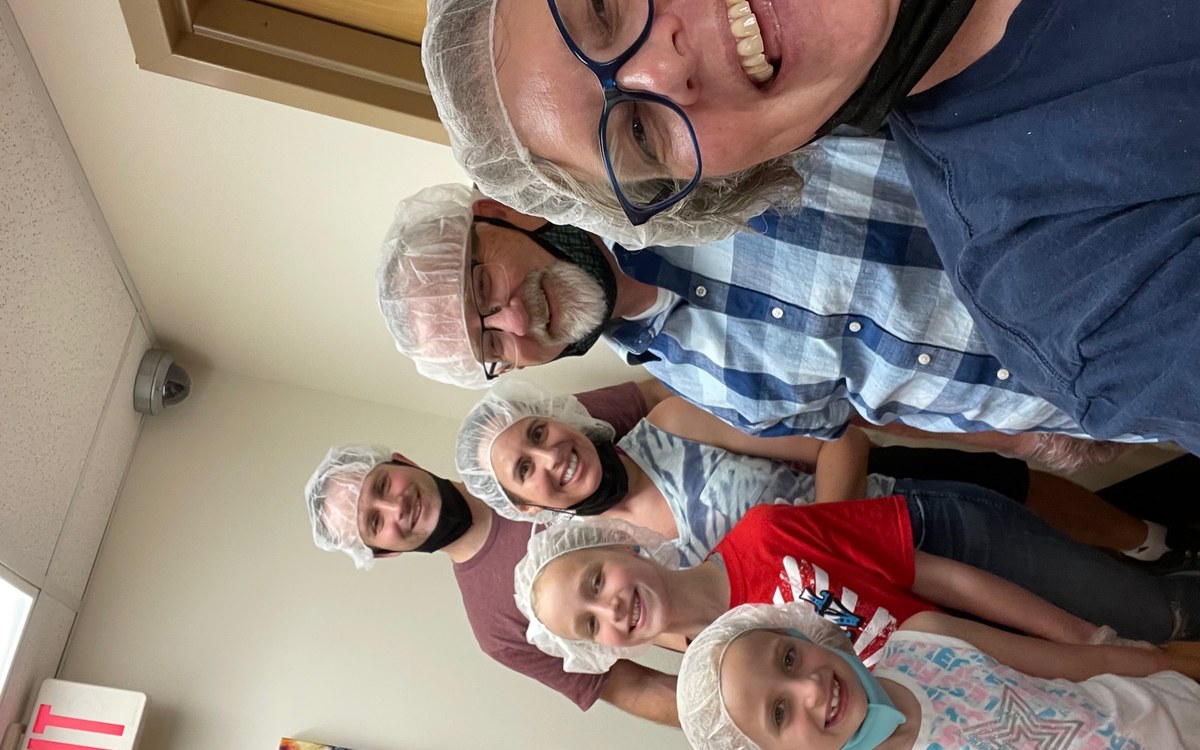
Building belonging
Throughout the last year and a half, more and more OSCS staff, participants, and volunteers have returned to our campus. That transition has created natural opportunities to return to the way things were before the pandemic started. We chose not to.
We chose, instead, transitions that center comfort and connection. Transitions that honor continuous learning while creating space for everyone to not just participate, but contribute to the sense of community. We strategically reduced shelter capacity and launched the respite pilot, prioritizing guests' rest and wellness. We brought back the option for English Learning Center students to return to in-person classes, and also maintained online learning.
Services are most effective when everyone feels a sense of connection. A community is strongest when everyone feels like they belong. We strive to create spaces where staff, volunteers, and participants can feel comfortable expressing wholly who they are. We believe empowering staff to contribute their experience and wisdom strengthens the culture of belonging we are creating.
No matter where we may work, live, or learn, what connects us is the sense of belonging rooted to the Phillips neighborhood. In the year ahead, we will continue to build and center a culture of belonging at OSCS. We will also continue thinking critically about how we can leverage our skills, space, and relationships to support the neighborhood's priorities.
We are excited for the next phase of our work. We know the strength and value of connection, and we thank you for your connection to OSCS. We look forward to continuing to build community with you.
Mike Huffman, Executive Director
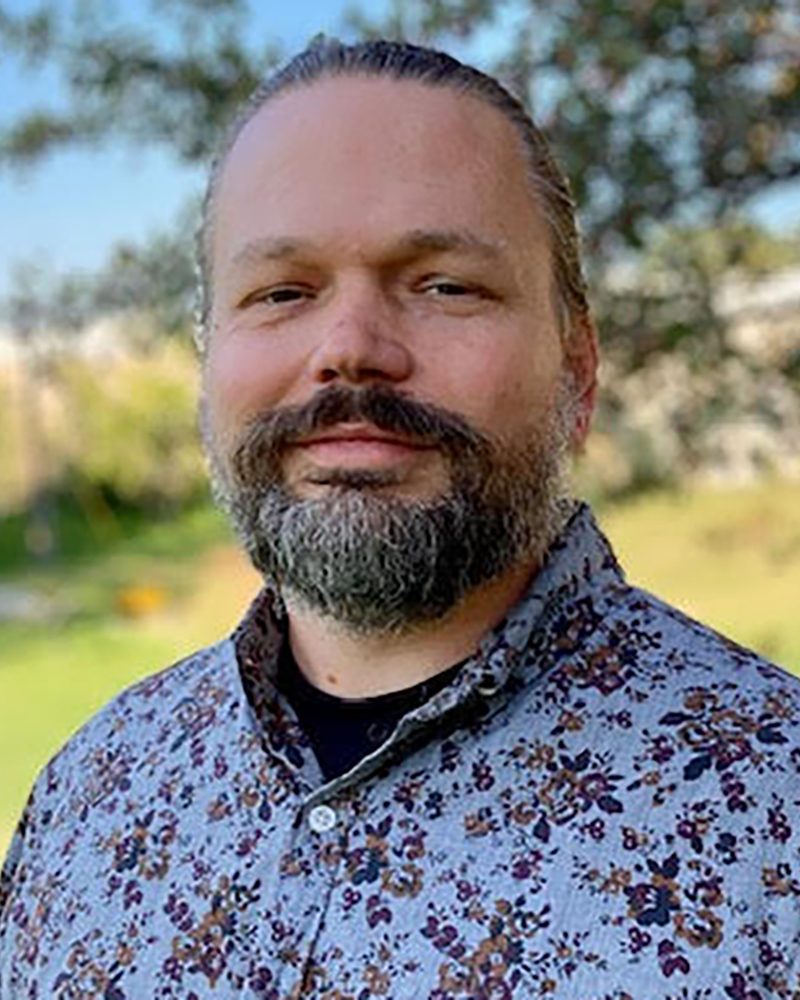
199 students, 12,110 hours of learning
- Ages 19 to 86
- 65% identify as female, 34% as male
- 45% came to the United States with refugee status
- 22% have children under age 18 at home
- 29% are working on achieving their first literacy in any language
- 58% have the equivalent of an 8th grade education or lower, 8% have a post-secondary degree
- 45% of students who took a post-test advanced to the next class level
- 53% learned online, 43% in person, 4% blended the two
*In this report, we define “students” as participants spending 12 or more hours in class at the ELC.
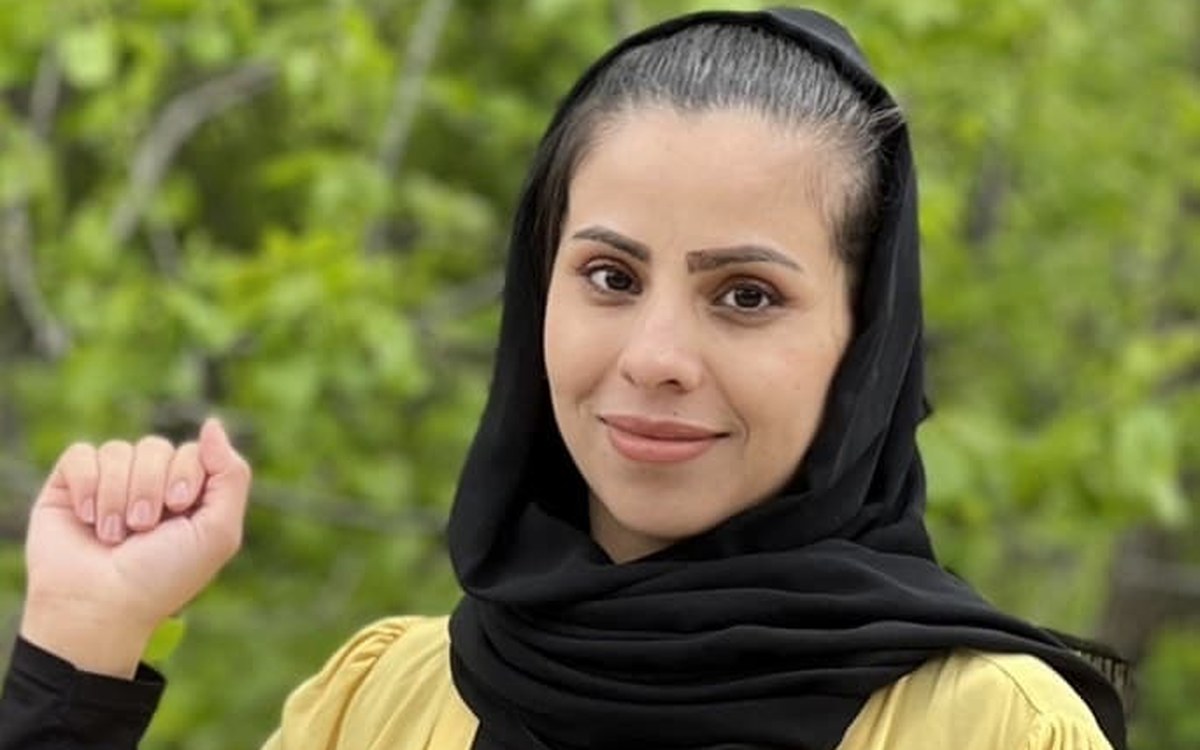
“They always encourage us”
Originally from Afghanistan, Farahnaz came to Minnesota this past February during the harsh days of winter. She remembers it was “so cold!” Before arriving in the US, she knew “some words” of English, but in less than a year of taking classes, she has greatly increased her skills. Farahnaz joined the ELC's learning community in March, choosing to learn from home.
Online classes, along with support from her husband, help make it possible for Farahnaz to care for her daughters while also working toward her goals and building English language skills. She has even been able to continue her studies while caring for her youngest child, a four-month-old daughter.
Farahnaz is excited about her classes and shares that teachers at the ELC “always encourage us and they support us.” She participates in both the level 6 classes and conversation classes. She shares that the conversation class is a “big opportunity” for students to speak English and connect with other students from Afghanistan, as well as other countries. “We can solve our problem with each other,” Farahnaz says.
347 residents in shelter and housing
- 95% of Permanent Supportive Housing residents remained permanently housed
- 9 of the shelter guests took part in the Medical Respite Pilot
- Ages 18 to 79: 41% identify as female, 58% as male, 2% as transgender or another gender
- 46% Black or African American, 34% white, 9% Native American or American Indian, 8% multiracial, 1% Asian
- The food shelf welcomed 31 visitors a month
- May 2021: the emergency shelter returned to Chicago Avenue after nearly a year in a hotel, with 21 beds and a private room for each guest
- Fall 2021: we ended the transitional housing program and repurposed those units for on-site permanent supportive housing
- February 2022: the medical respite pilot launched inside the emergency shelter
“To be somewhere stable was a good thing”
In March of this year, Ciera moved into her new home through the Permanent Supportive Housing Program at Our Saviour's Housing. The process of getting into her own place took about a year and a half, but now that she has stable housing, she feels a sense of relief.
Ciera has had trouble finding housing in the past. “I didn't have the backing of resources [and] connections with referrals and knowing people so it was hard for me to try to get into places,” she said about previous searches. But during her time at another shelter, she received an intake assessment and referral to Our Saviour's Community Services.
Ciera's favorite memory so far in her new home was finding out she got a job at a cleaning service. In regards to working, she shared that “I didn't have to, but I wanted to.” Her job is strenuous, but she is working toward her goal of buying her first car.
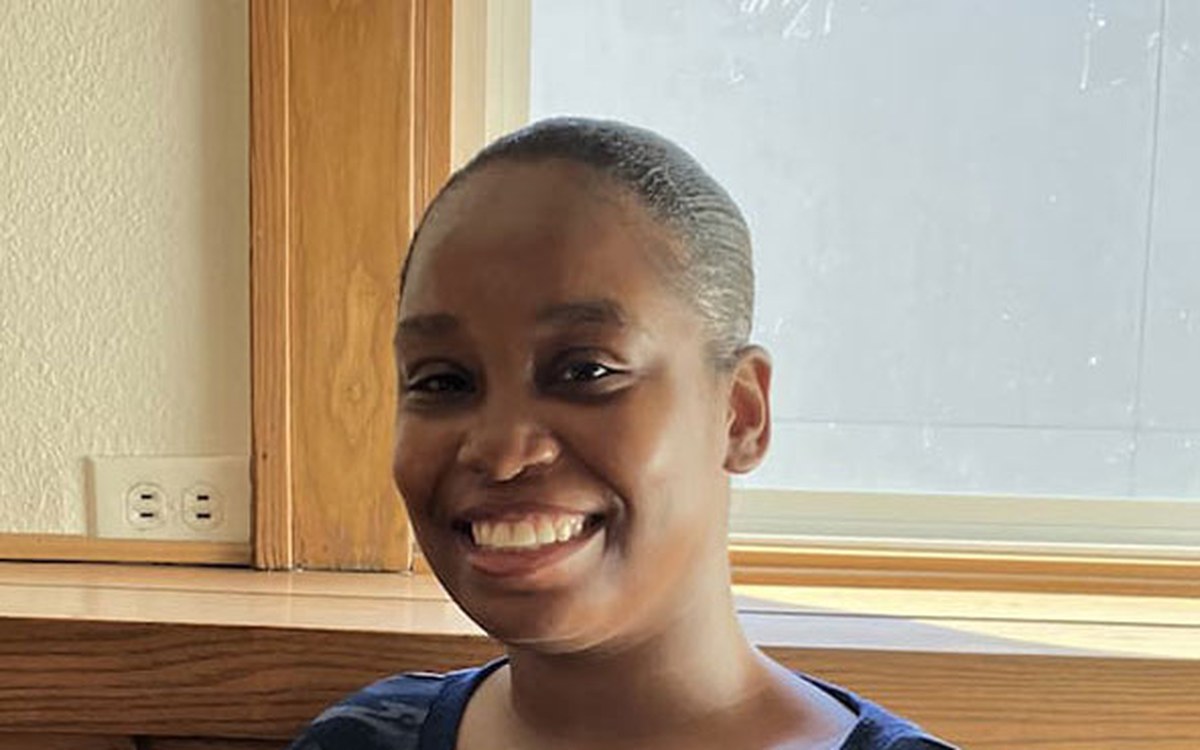
338 volunteers made the year possible
- 226 volunteers at Our Saviour's Housing shared 904 hours
- 112 volunteers taught 3,155 hours at the English Learning Center, online and in person
Homeless people and poor people aren't a problem that need to be dealt with. They're part of our society and if we can help them get back on their feet, there's a lot of ways to do that, and this is a great way to do it.
Where the money came from and where it went
Revenue
Expenses
Due to rounding, these figures may add up to greater than 100%. April 1, 2021 to March 31, 2022.
Board of Directors, fiscal year 2021-2022
*Concluded board service during the year. Meet our current staff and board →
Read the 2024-2025 report.
817 students, 109 shelter guests, 110 housing residents and 265 volunteers.